10 Backpacking Tips for Beginners (Plus One Bonus Tip!)
Starting Your Backpacking Journey
If you’re new to backpacking, it can feel overwhelming trying to figure out where to start. Between gear choices, navigation, and how many miles to hike, there’s a lot of advice out there — and not all of it is beginner-friendly.
Over the years, we’ve logged thousands of trail miles, including the Pacific Crest Trail, the Wonderland Trail, and the John Muir Trail. Along the way, we’ve learned a lot about what works (and what doesn’t) for beginner backpackers.
Here are 10 backpacking tips for beginners (plus a bonus tip!) to help you start strong and actually enjoy your first trips.
1. Don’t Go Too Hard Too Fast
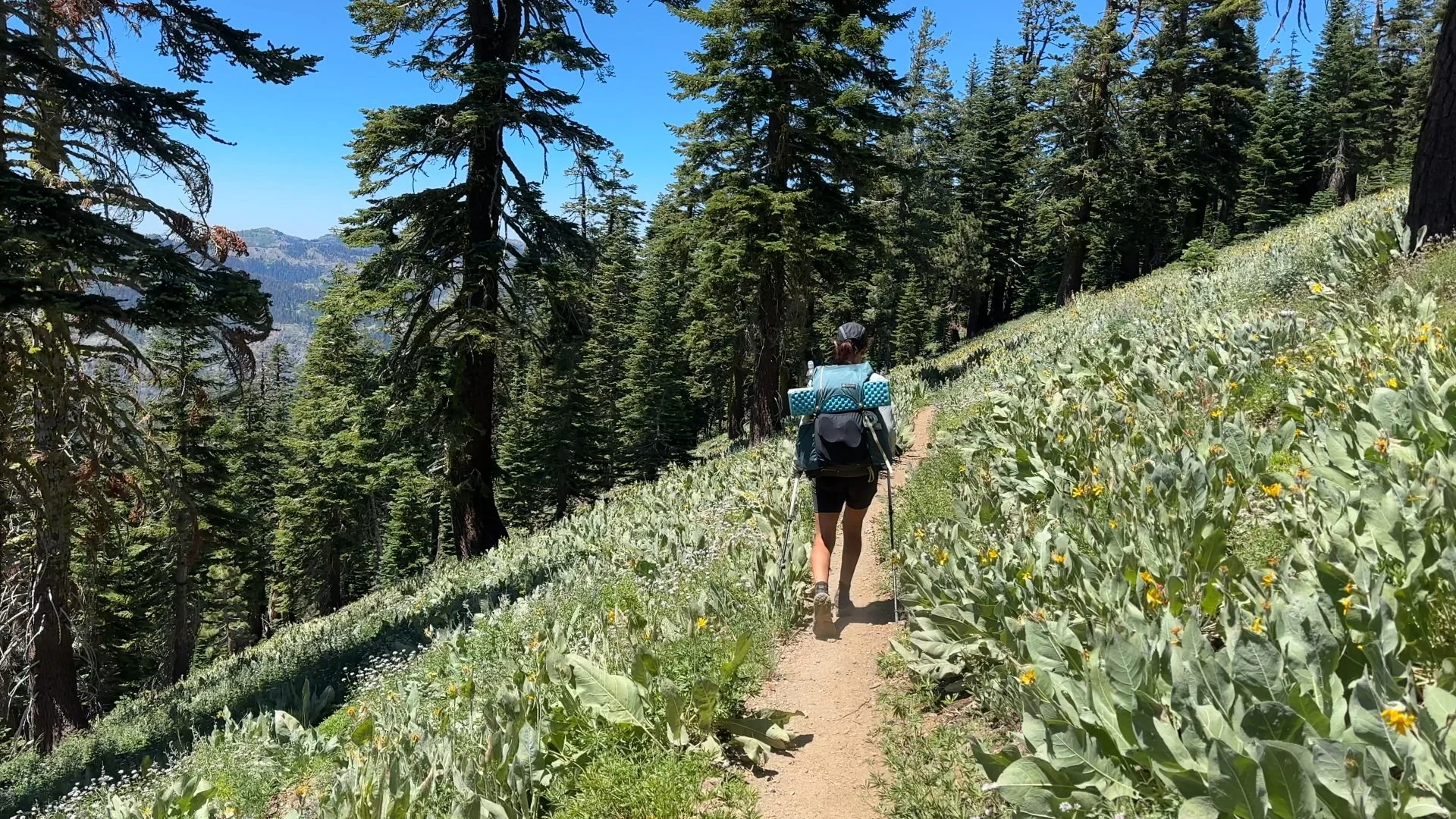
One of the biggest mistakes new backpackers make is trying to hike too many miles right away. Many new backpackers might be inspired by thru-hikers or ultralighters they see on YouTube or Instagram hiking huge miles. But that’s not how most people backpack, and it’s not a good way to start. Even a 5-mile hike with an overnight camp can be a perfect backpacking trip. Start small and focus on enjoying the outdoors.
2. You Don’t Need Expensive Ultralight Gear
Spend some time online and you’ll see fancy ultralight gear lists with $700 tents and $400 backpacks. Don’t fall into the trap of thinking you need that gear right away, or at all for that matter. Start with entry-level equipment to test the waters, then upgrade if you find yourself loving the hobby. There’s a saying in backpacking, “buy once, cry once.” There is some truth to that, but I would argue that’s more applicable when you’re ready to upgrade your gear, not make your initial purchase.
3. But Avoid Going Super Cheap
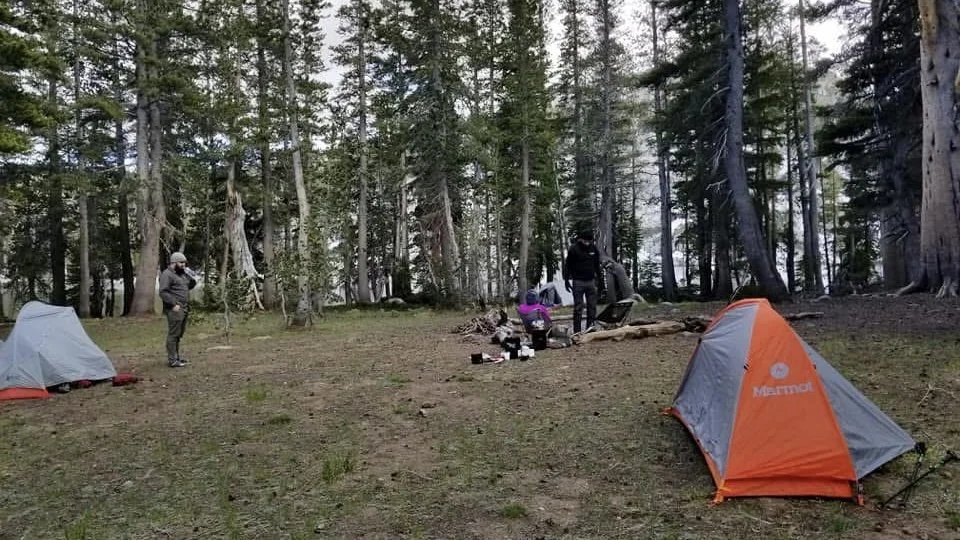
At the same time, ultra-cheap gear from Amazon or Walmart usually won’t perform well. It can be heavy, bulky, uncomfortable, or all of the above. Instead, look for budget-friendly but reliable gear from brands like REI, Kelty, or Marmot. If you’d like to go the used gear route, the REI Garage Sale or Facebook groups like Backpacking Gear Flea Market are a couple great places to look for quality, affordable gear.
4. Make Sure Your Backpack Fits Properly
Backpack fit is everything. Get your torso length measured and choose a pack that distributes weight comfortably. A poorly fitted backpack will leave you sore, frustrated, and simply make your experience miserable. Meanwhile, a good fit can make carrying a heavy load feel comfortable and make your trip much more enjoyable.
5. Invest in a Comfortable Sleeping Pad
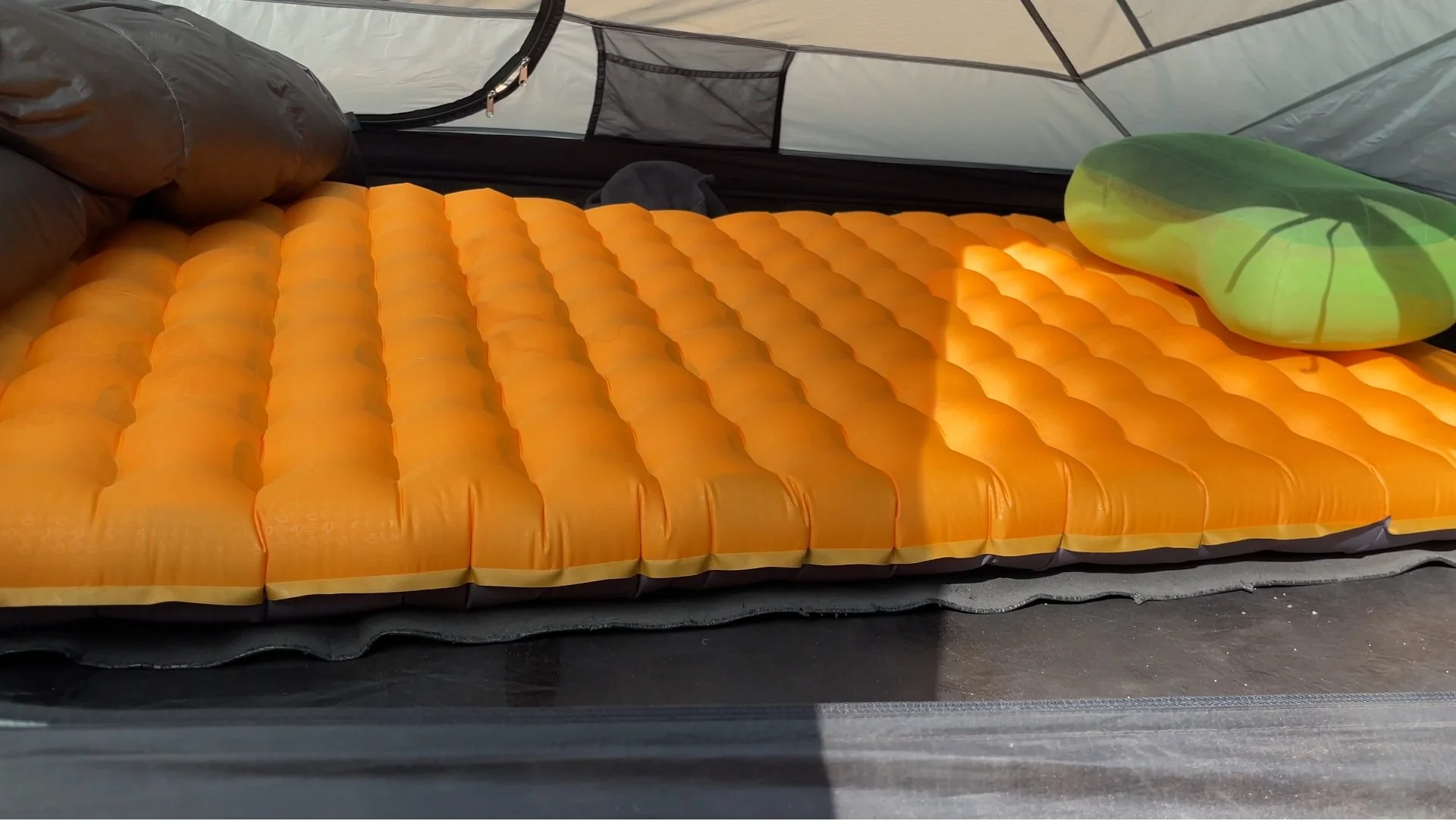
A good night’s sleep is crucial for enjoying backpacking. Inflatable sleeping pads are lighter, warmer, and more comfortable than thin foam pads. Some people swear by foam pads, but some people are wrong. Look for an inflatable pad with an R-value of 3 or higher for three-season trips. Oh, and one more recommendation — a 25-inch wide pad is the way to go.
6. Pick the Right Sleeping Bag or Quilt
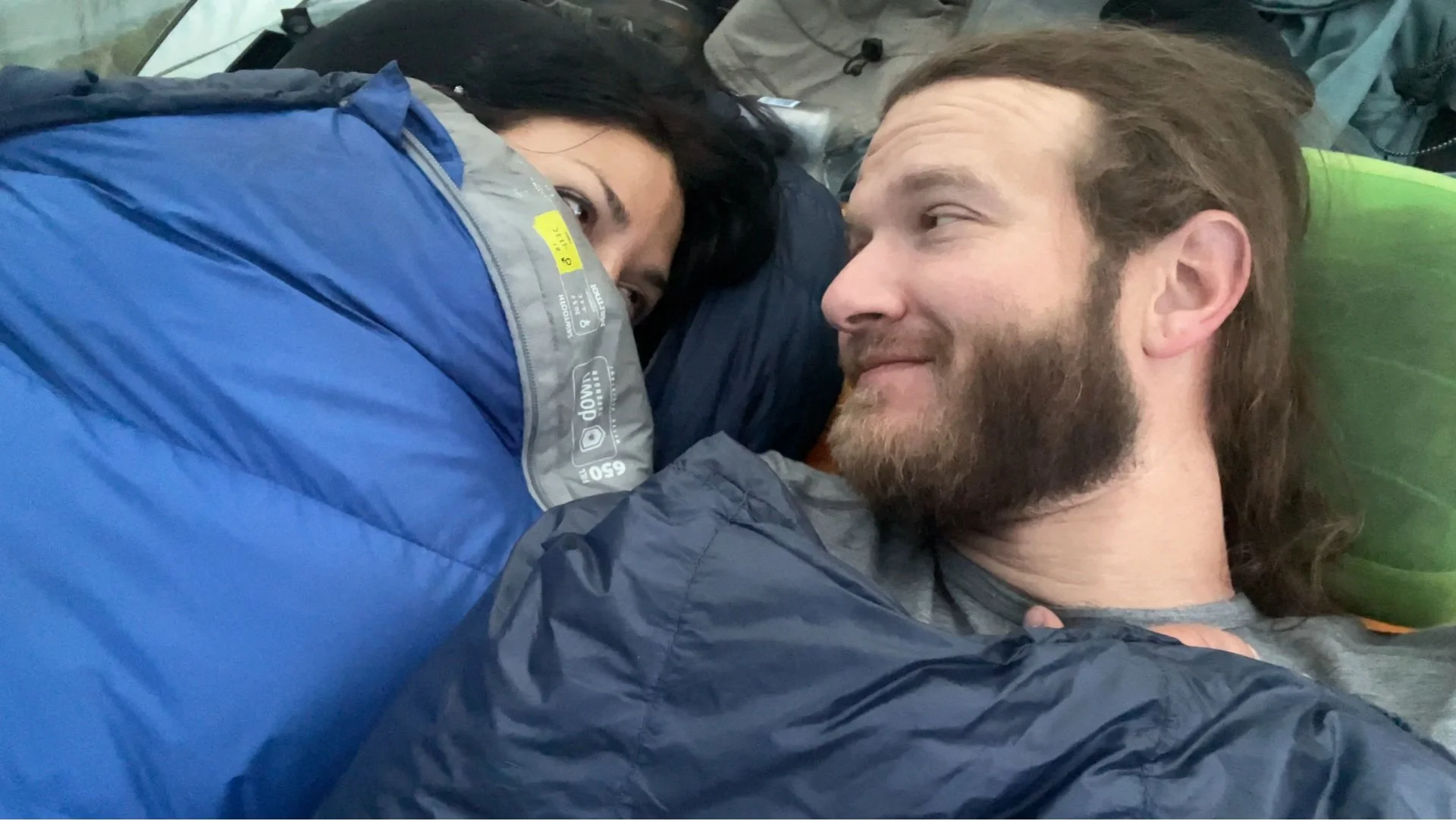
For most three-season trips, a 20-degree sleeping bag or quilt is usually the best choice. Always pick a bag rated about 10 degrees colder than the lowest temperatures you expect. To be specific, this is 10 degrees below the comfort rating, not the limit rating. Keep an eye on those while hunting for your bag or quilt.
7. Choose Footwear That Fits Your Feet
Blisters can ruin a trip. Make sure your shoes are big enough (a half size up is often best) and consider trail runners over hiking boots. Trail runners are lighter, more breathable, and reduce the risk of blisters compared to traditional boots. Ask me how I know.
8. Use a Reliable Backpacking Navigation App
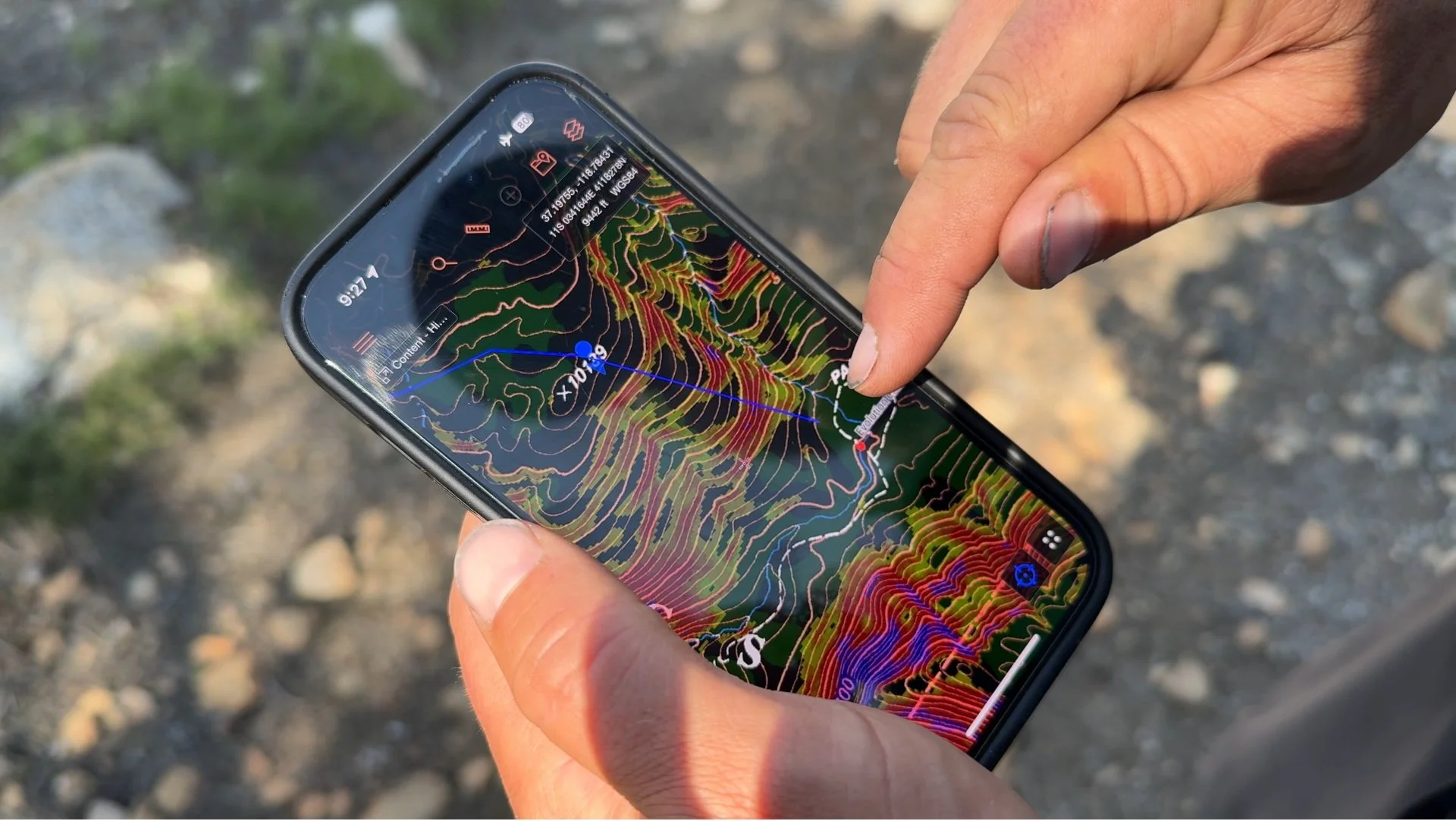
Wait… where’s the map and compass?? Let’s be real, it’s 2025. I haven’t used a map backpacking in over a decade, including hiking across the country on the PCT. This is a topic we intend to make into a future blog post and video, but that said, you still need to be able to navigate in the backcountry, and in today’s world that comes in the form of an app. Skip relying only on AllTrails. Instead, try Gaia GPS, CalTopo, or OnX Backcountry. These apps let you create routes, download offline maps, and track your position in real time — essential for staying safe in the backcountry. Know how to use them before heading out, and make sure your maps are downloaded.
9. Be Flexible With Your Plans
Bad weather? Tough terrain? Not feeling it? Turn around. It’s not “quitting” — it’s being smart. Backpacking should be fun, and forcing yourself into dangerous or miserable situations is the opposite of that. Adjusting your plans is part of being a responsible hiker. The less you enjoy your first experiences, the less likely you are to get back out there.
10. Build Up Your Fitness Ahead of Time
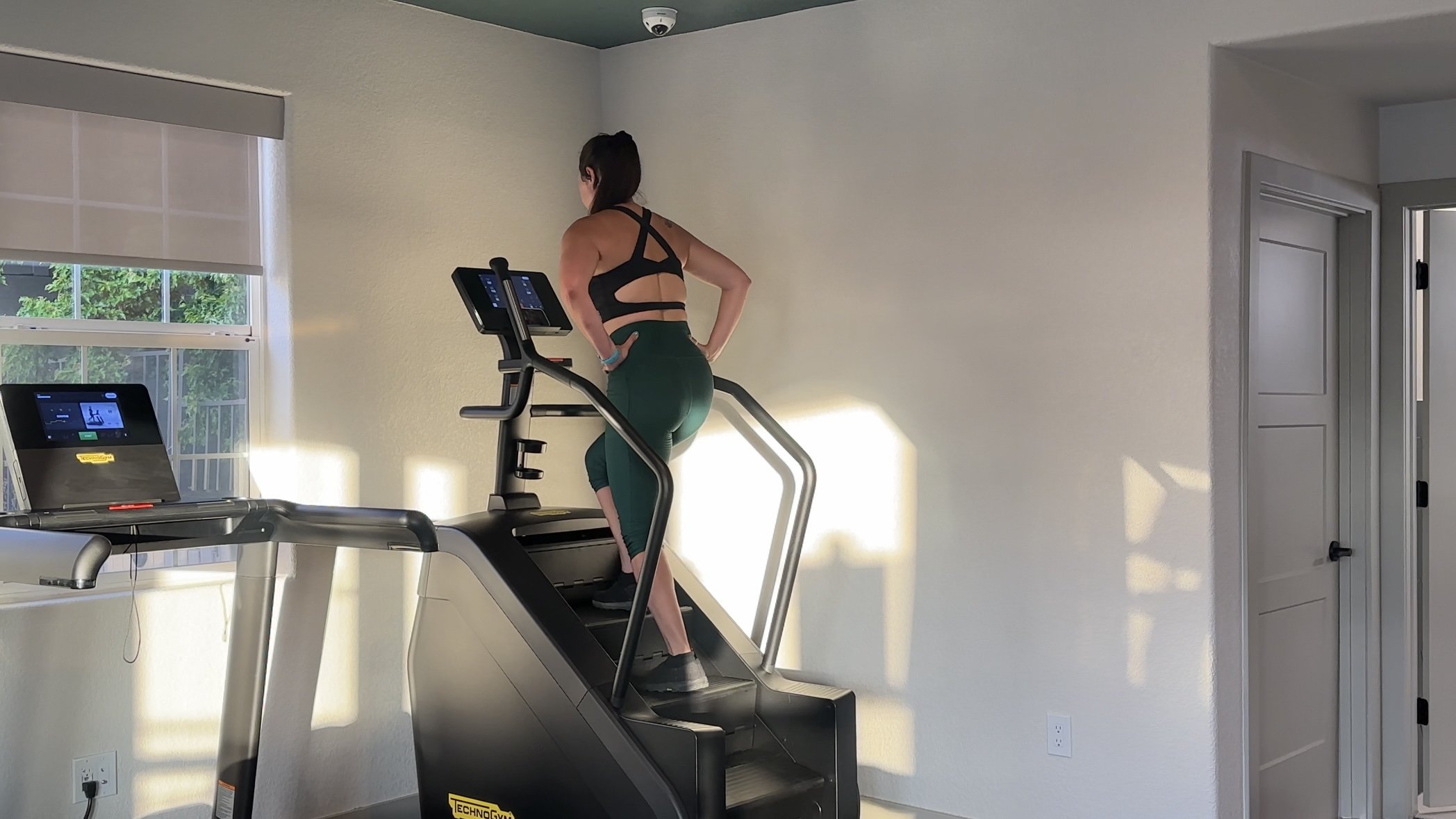
If you already live an active lifestyle, you’re probably fine. But if you’re starting from a more sedentary baseline, spend some time walking, hiking, or climbing stairs before your trip. A little prep goes a long way in preventing soreness, cramps, and burnout on the trail.
Bonus Tip: Don’t Overthink It — Just Go!
Yes, there are tons of videos, gear reviews, and blogs (including this one). It’s easy to fall into “analysis paralysis” and never actually go. The most important thing you can do is to just get out there. Don’t wait for the perfect gear or the perfect plan. Backpacking is about enjoying nature — so pack up, hit the trail, and have fun.
Final Thoughts
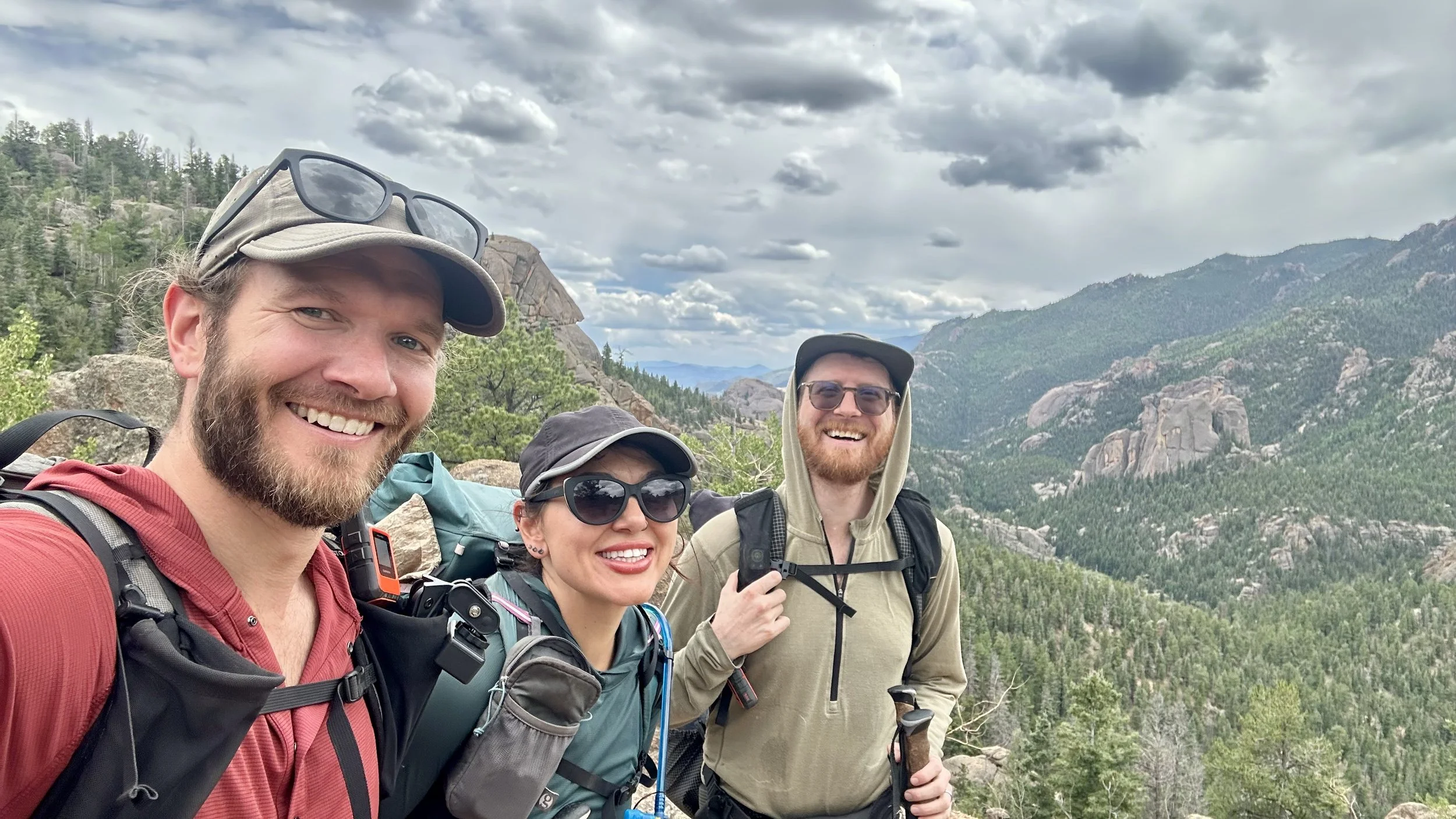
Backpacking doesn’t need to be complicated or expensive. Start small, stay comfortable, and focus on enjoying time outdoors. With these beginner backpacking tips, you’ll be ready to hit the trail with confidence.
Cheers!
Be sure to check out the full video below:
